
Occupational Therapy
Signs your child may benefit from Occupational Therapy
Paediatric Occupational Therapy supports children to participate in everyday activities such as play, learning, self-care and family routines. The need for OT is based on participation—not one isolated behaviour.
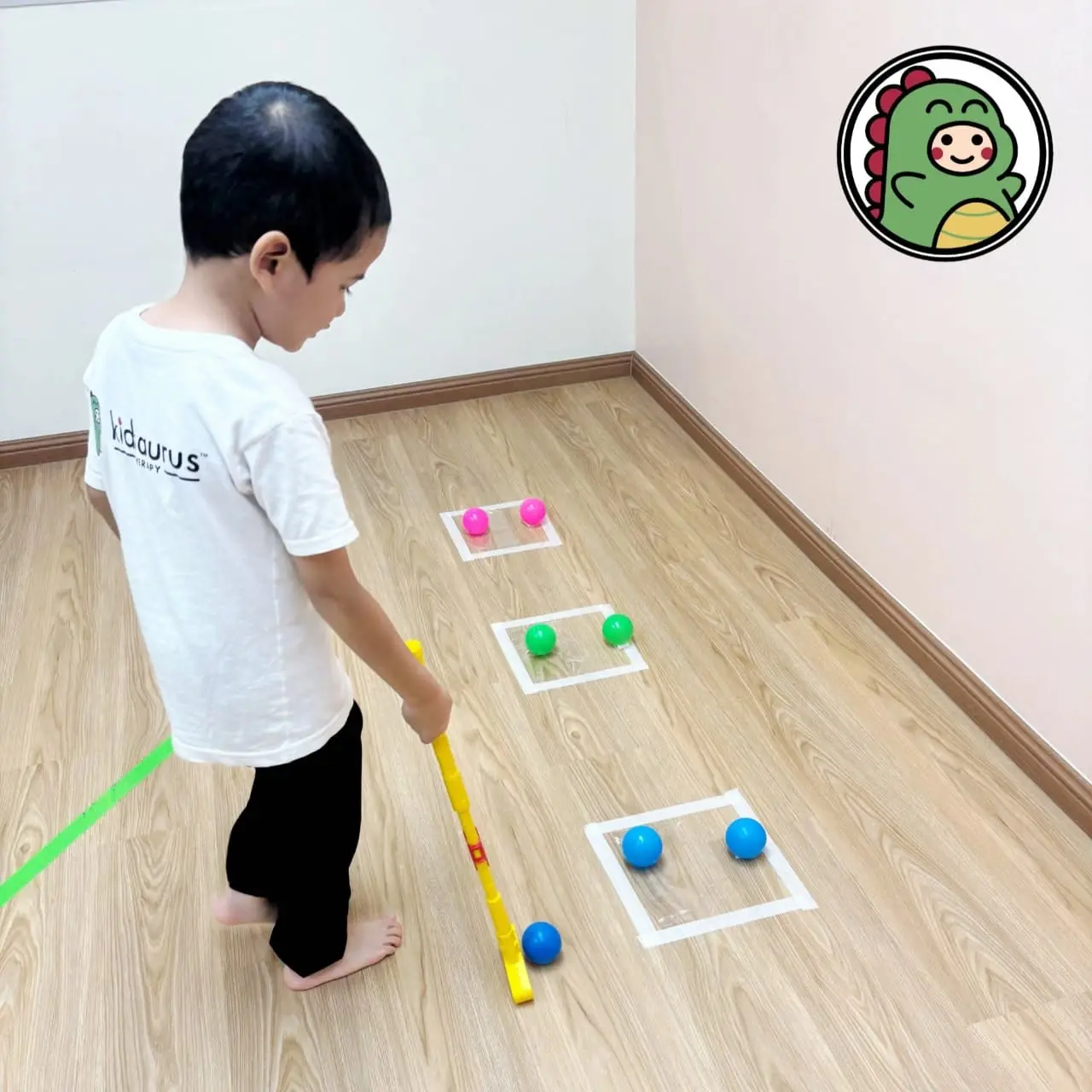
Everyday activities feel consistently difficult
An OT assessment may be useful when a child repeatedly struggles to join activities expected in daily life. Examples include difficulty with dressing, feeding, toileting, handwriting, playground skills, sitting for a short learning task or moving between routines. The therapist considers age, environment, opportunities and how much the difficulty affects participation.
Sensory experiences affect daily routines
- Strong distress with common sounds, touch, grooming or clothing
- Avoiding movement or seeking intense movement in ways that disrupt routines
- Very restricted tolerance of food textures
- Difficulty staying regulated in busy environments
- Sensory needs that make school, play or self-care much harder
Motor and coordination skills need support
Parents may notice frequent dropping, difficulty using both hands together, challenges with scissors or pencils, tiring quickly during table tasks, or avoiding climbing and ball play. OT looks at the skills underneath the activity and adapts intervention to meaningful goals rather than training a skill in isolation.
Big feelings interfere with participation
Emotional outbursts alone do not automatically mean a child needs OT. However, assessment may help when regulation difficulties are closely connected to sensory demands, transitions, body awareness, task frustration or difficulty communicating needs—and these patterns regularly limit participation at home or school.
What an OT assessment considers
- The child’s strengths, interests and developmental history
- Sensory, motor, visual-perceptual and self-care skills
- Participation at home, school and in the community
- Environmental factors that make activities easier or harder
- Goals that are meaningful to the child and family
A referral does not require a diagnosis
Parents can seek advice based on functional concerns even without a formal diagnosis. Assessment helps determine whether OT, parent strategies, classroom adjustments, monitoring or referral to another professional is the best next step.
Ready for the next step?